
The Benefits of Professional Firearm Training for Security Personnel
- Feb 10
- 4 min read
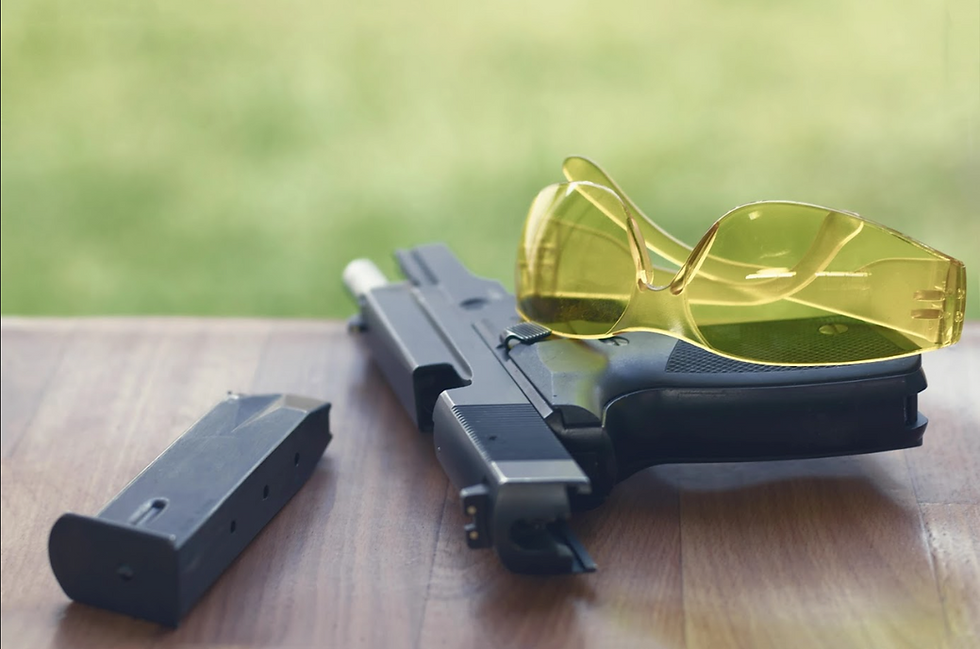
When it comes to private security, the presence of a firearm can be a powerful deterrent. However, its true value lies not in the weapon itself, but in the skill and judgment of the person carrying it. For security personnel, carrying a firearm is a tremendous responsibility. Professional firearm training is not just a preliminary step; it is a continuous commitment to safety, precision, and professionalism. This training is the bedrock that ensures a security professional can effectively protect lives and property while adhering to strict legal and ethical standards.
This post will explore the critical benefits of professional firearm training for security personnel. We will discuss how it develops essential skills, ensures legal compliance, and builds the confidence needed to act decisively and correctly under pressure.
Enhancing Safety and Reducing Risk
The primary goal of any security operation is to maintain safety. Improper firearm handling is a significant liability that can lead to tragic accidents, legal trouble, and a complete loss of trust. Professional training directly addresses these risks by instilling a "safety first" mindset.
Foundational Safety Rules
Every professional course begins with the fundamental rules of firearm safety. These principles—such as treating every firearm as if it were loaded and never pointing it at anything you are not willing to destroy—become second nature through constant reinforcement. This discipline is crucial in preventing negligent discharges and ensuring the safety of the security professional and everyone around them. In a crowded public space or a busy corporate office, this ingrained habit can be the difference between a secure environment and a catastrophe.
Situational Awareness
Training goes beyond the firing range. It teaches security personnel to be constantly aware of their surroundings. This includes identifying potential threats, understanding backstops, and being mindful of innocent bystanders. An officer trained in situational awareness knows not just how to shoot, but more importantly, when and when not to. They learn to assess a dynamic environment rapidly, making choices that de-escalate a situation or neutralize a threat with minimal collateral risk.
Developing Core Marksmanship and Handling Skills
Carrying a firearm is one thing; using it effectively under duress is another entirely. Professional training transforms a novice or intermediate shooter into a skilled operator capable of precision and reliability when it counts the most.
Mastering the Fundamentals
Expert instructors break down the mechanics of shooting into digestible components. This includes proper grip, stance, sight alignment, trigger control, and breath control. Through repetition and expert feedback, security personnel build muscle memory. This allows them to perform these actions flawlessly without conscious thought, even when their heart is pounding and adrenaline is surging. Consistent practice hones accuracy, ensuring that if a shot must be fired, it hits its intended target.
Training for Realistic Scenarios
Static target practice has its limits. High-quality firearm training incorporates dynamic, scenario-based drills that simulate real-world encounters. This might involve shooting from behind cover, engaging targets while moving, or practicing weapon retention during a physical struggle. These exercises prepare officers for the chaos of a genuine high-pressure situation. For example, a security professional might have to protect a client in a parking garage ambush. Training that includes moving-and-shooting drills gives them the ability to return fire accurately while getting the client to safety, a skill impossible to learn from a stationary shooting lane.
Ensuring Legal and Ethical Compliance
The use of force, particularly deadly force, is governed by a complex web of laws and regulations. A security professional’s actions will be scrutinized legally, professionally, and publicly. Professional training provides the essential knowledge to navigate these complexities.
Understanding Use of Force Laws
Instructors provide detailed education on state and local laws regarding self-defense and the defense of others. Security personnel learn about the "use of force continuum," which outlines the appropriate level of response for any given threat. They come to understand the legal justification required to draw or discharge their weapon. This knowledge is vital for avoiding criminal charges and civil liability. An officer who understands the law can make a split-second, legally sound decision, protecting both the public and their own career.
De-escalation as a Primary Tool
Ironically, one of the most important outcomes of firearm training is learning how to avoid using the firearm. Professional courses emphasize de-escalation techniques as the preferred first response. An officer who is confident in their ability to use their firearm if necessary is often more composed and patient in a tense verbal confrontation. They can project authority and control without immediately resorting to force, potentially resolving a conflict before it turns violent. This proficiency reduces the likelihood of a situation escalating to the point where a firearm is needed.
Building Confidence and Improving Judgment
Confidence is a critical asset for any security professional. It influences their presence, their decision-making, and their ability to command respect. Professional firearm training is one of the most effective ways to build this essential trait.
Confidence Through Competence
The feeling of competence that comes from mastering a complex skill is powerful. A security officer who knows they can safely handle their weapon, clear a malfunction, and hit their target under pressure carries themselves differently. This confidence is palpable and can itself be a deterrent to potential aggressors, who are more likely to challenge someone who appears uncertain or hesitant.
Reducing Hesitation in Critical Moments
In a life-or-death situation, hesitation can be fatal. An untrained or poorly trained individual may freeze, unsure of what to do. Professional training conditions officers to react decisively and appropriately. Through realistic simulations, they learn to manage stress and adrenaline, allowing their training to take over. This ensures a swift and effective response, whether it's taking cover, issuing verbal commands, or, as a last resort, using the firearm to stop an imminent threat.
Conclusion: Invest in Professional Excellence
For security personnel, a firearm is a tool of immense responsibility. Its effective and safe use is not an innate skill—it is a craft honed through dedicated, professional training. The benefits are clear: enhanced safety for all, superior marksmanship, sound legal judgment, and the unshakable confidence to perform under pressure.
By investing in professional firearm training, security firms and their clients are not just checking a box. They are investing in peace of mind, operational excellence, and the highest standards of protection. A well-trained officer is the most valuable safety asset you can have.
Are you or your team ready to achieve a higher standard of readiness and professionalism? Explore the comprehensive firearm training programs offered at Private Eyes and equip yourself with the skills needed to protect and serve effectively.


Comments